Gold Boosts Banque du Liban Assets, Exposing a Gap in Public-Sector Deposits
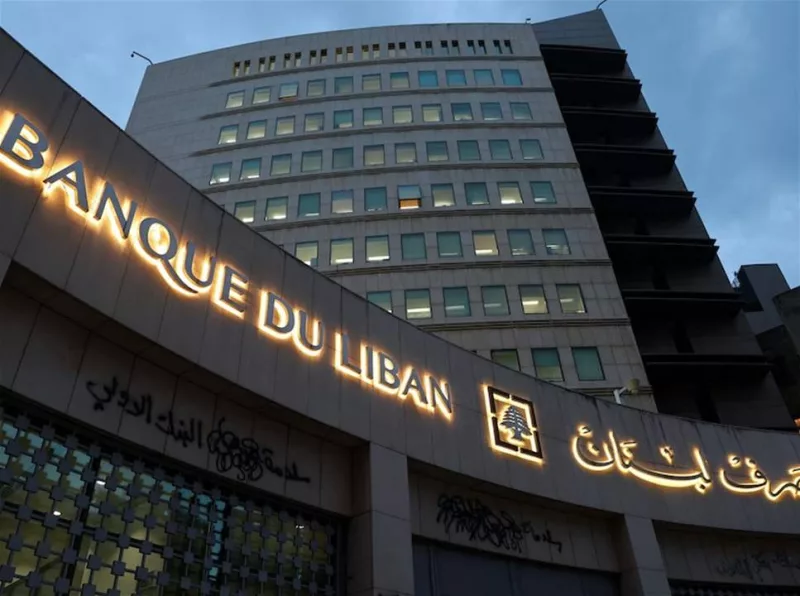
Rising gold prices have strengthened the reported asset base of Banque du Liban, drawing fresh attention to a valuation mismatch between book figures and the effective value of items linked to public-sector deposits.
The discussion comes as asset and liability valuation remains central to assessing Lebanon’s monetary and financial landscape.
According to commonly cited figures, public-sector deposits are estimated at about 805,000 billion Lebanese pounds, equivalent to roughly $9 billion when calculated at an exchange rate near LBP 89,500 per US dollar.
The key issue emerges when comparing how deposits are recorded on the books versus their real-world value once translated using prevailing exchange-rate assumptions.
How higher gold prices affect the central bank balance sheet
When gold prices climb, the value of the central bank’s gold holdings increases, providing balance-sheet support on the asset side.
However, that uplift does not automatically eliminate broader accounting and valuation gaps—especially if certain positions are carried using historical benchmarks or methods that do not fully mirror current conditions.
A gap between book value and effective value of public deposits
Large deposits denominated in local currency are highly sensitive to exchange-rate movements.
While book values may appear stable, their effective value changes once converted into dollars using market-aligned or reference rates.
This dynamic can widen the gap between what is recorded and what can be considered an economically meaningful value.
Why this matters to markets and observers
The difference between book valuation and effective valuation shapes perceptions of balance-sheet strength, liquidity management, and the broader credibility of financial reporting.
Stronger gold valuations can improve the optics of the asset side, yet confidence-building typically requires clearer disclosure, consistent valuation rules, and figures that align more closely with economic reality.
For Lebanon watchers, shifts in gold and the exchange rate can quickly reshape financial indicators, making asset valuation a recurring focus for assessing stability and policy options.